Kerala High Court
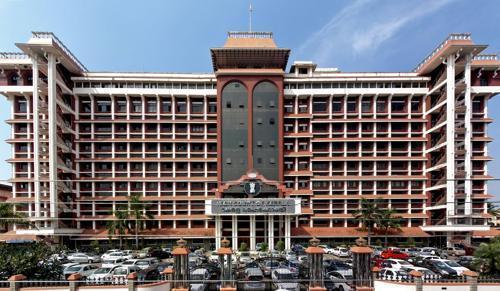
Kerala High Court Allows Continuation of Hormone Therapy Amid Challenge to Transgender Amendment Law
The Kerala High Court allowed two transgender persons to continue hormone replacement therapy (HRT) while hearing petitions challenging the Transgender Persons (Protection of Rights) Amendment Act, 2026.
The Court noted that the petitioners’ treatment, which had been ongoing since 2019, was allegedly stopped after the new law came into force.
Considering the potential harm from abrupt discontinuation, the Court directed that HRT, if already commenced, should continue without interference.
However, this relief is limited to the petitioners and subject to proof of ongoing treatment. The Court has issued notice and will examine the constitutional validity of the amendment.
a day ago
S PavithraBookmark
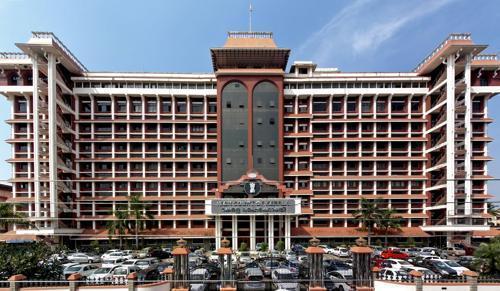
Section 138 NI Act Inapplicable to Withdrawal Slips, Rules Kerala High Court
The Kerala High Court held that a withdrawal slip cannot be treated as a “cheque” for the purpose of initiating proceedings under Section 138 of the Negotiable Instruments Act.
The Court observed that Section 138 specifically applies to dishonour of cheques issued in discharge of a legally enforceable debt or liability.
A withdrawal slip, being merely an instruction to a bank for withdrawal of money, does not satisfy the statutory definition of a cheque.
Consequently, dishonour of such an instrument would not attract criminal liability under Section 138, and proceedings based on it are not maintainable.
[Clara Dominic v. Tomy Eapen & Ors.]
S PavithraBookmark
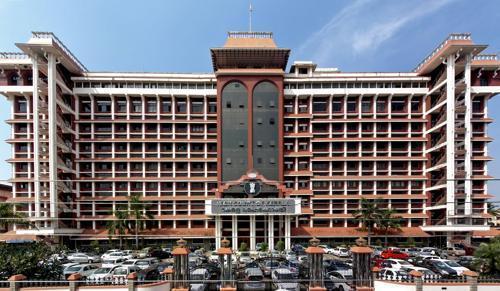
Kerala High Court Questions Effect of New Transgender Law on Those Undergoing Treatment
The Kerala High Court is hearing pleas challenging the constitutional validity of the Transgender Persons (Protection of Rights) Amendment Act, 2026.
During the hearing, the Court questioned whether the amended law could adversely affect individuals already undergoing hormone therapy.
The petitions argue that the amendment narrows the definition of “transgender person” and excludes those identifying based on self-perceived gender without medical intervention, leading to denial of legal recognition and access to healthcare and services.
The Court noted the presumption of constitutionality of laws and indicated that instead of staying the Act, individual relief may be considered.
4 days ago
S PavithraBookmark
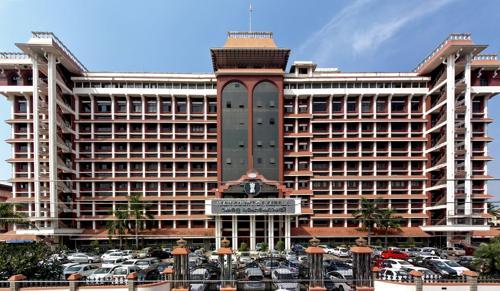
Repeated Possession of Drugs Can Attract KAAPA holds Full Bench of Kerala High Court
A Full Bench of the Kerala High Court held that repeated possession of even small quantities of narcotic drugs can attract provisions of the Kerala Anti-Social Activities (Prevention) Act, 2007 (KAAPA).
The Court ruled that such possession amounts to “stocking” under the Act and can classify a person as a “drug offender” or “goonda.”
It rejected earlier views that only commercial quantity or intent to sell would attract KAAPA.
The Court also noted that under the NDPS Act, possession itself is an offence regardless of quantity, and repeated involvement in such acts can justify preventive action under KAAPA.
[Aaliya Ashraf v. State of Kerala]
S PavithraBookmark
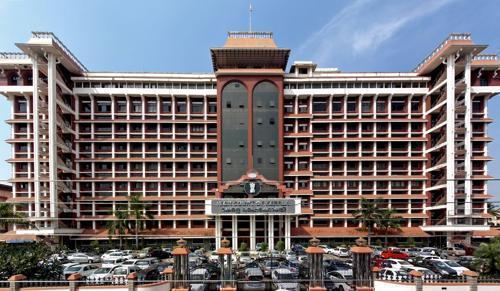
Kerala High Court Holds Landlord Guilty of Criminal Trespass for Unlawful Entry
The Kerala High Court recently ruled that a landlord can be held liable for criminal trespass if they unlawfully enter a rented property in the tenant's possession.
The Court clarified that offences like criminal trespass and house trespass are primarily directed against possession rather than ownership.
Even a true owner cannot use their title as a shield to forcibly enter premises occupied by a tenant with criminal intent. In this case, the landlord had entered the tenant's room and damaged the tenant's belongings.
While upholding the conviction, the Court reduced the sentence to imprisonment till the rising of the Court and ordered compensation.
[Damodaran K v. State of Kerala]
AnvishaaBookmark
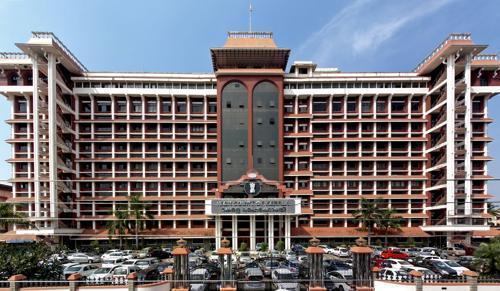
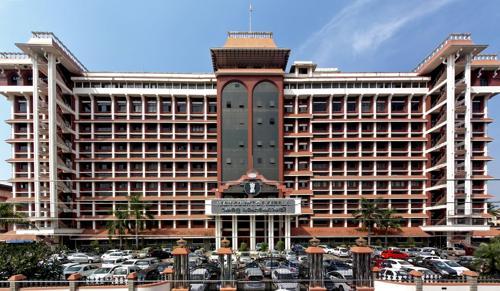
Kerala High Court Says Lawyers Can’t Hold Case Files ‘To Ransom’, Issues Notice in Misconduct Plea
The Kerala High Court recently dealt with a case where a client accused his former lawyer of refusing to return case files, which were essential for continuing a Motor Accident Claims Tribunal (MACT) case.
Despite repeated requests and even directions from the Tribunal, the documents were allegedly withheld, delaying the compensation claim. The Court took serious note of this, observing that case files cannot be treated like “ransom” to pressure clients.
It issued a notice to the advocate and others, highlighting concerns about professional misconduct and access to justice.
The Court will further examine the matter, including the alleged inaction by the Bar Council.
[Hashim H v. Bar Council of Kerala & Ors.]
S PavithraBookmark
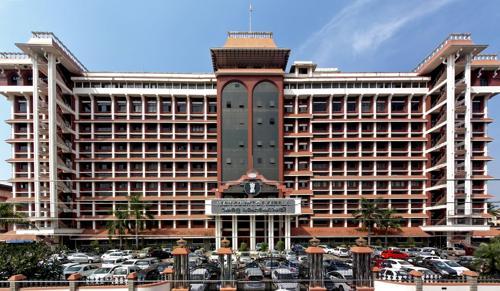
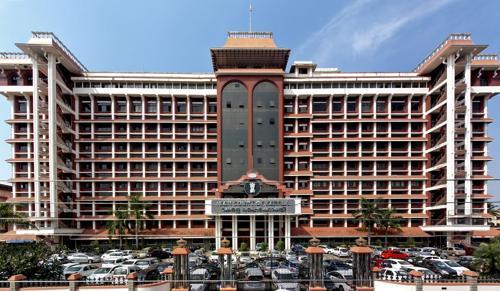
Kerala High Court Permits Law Students with Attendance Shortage to Appear for Exams
The Kerala High Court recently intervened to assist law students barred from examinations due to attendance shortfalls.
The Court observed that St. Dominic's College of Law failed to conduct the mandatory minimum of 90 working days, completing only 71 days instead. This omission deprived students of the opportunity to meet attendance requirements or reach condonable limits.
The Court held that students were prejudiced by the college's failure to adhere to University regulations.
Consequently, the Court regularized the interim order allowing the petitioners to sit for their exams, noting the institutional lapse in scheduling the required instructional hours.
[Vaibhav Y Kini & Ors. v Mahatma Gandhi University & Ors.]
AnvishaaBookmark
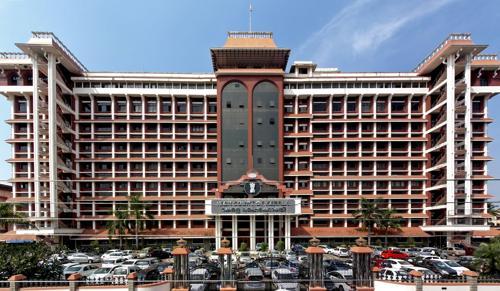
Kerala High Court Notifies Anti-Sexual Harassment Regulations for Court Premises
The Kerala High Court has notified comprehensive anti-sexual harassment regulations to address complaints within its premises, extending protection beyond employees to include lawyers, litigants, and visitors.
The framework, aligned with the Vishaka Guidelines, establishes a Gender Sensitisation and Internal Complaints Committee (GSICC) to handle complaints, ensure confidentiality, and promote awareness. It defines sexual harassment broadly, covering physical, verbal, and non-verbal conduct.
The regulations aim to fill gaps in existing workplace laws by covering non-employee stakeholders and ensuring a safer environment.
The Chief Justice retains final authority, including recommending disciplinary or criminal action.
S PavithraBookmark
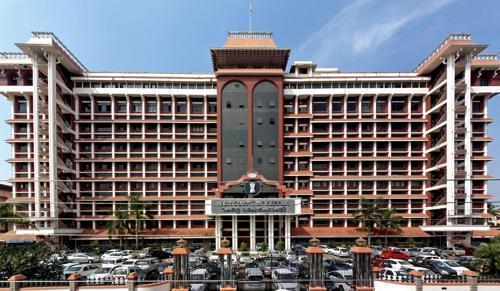
Kerala High Court: Intellectual Disability in Motor Accidents Cannot be Confined to Medical Percentages
The Kerala High Court held that intellectual disability resulting from a motor accident must be assessed based on its actual impact on a victim's life rather than mere medical percentages.
The Court observed that such disabilities affect intelligence and adaptive functioning, often requiring lifelong supervision.
In this case, the Court found that the 25-year-old victim possessed the mental age of a six-year-old due to a 2004 accident.
Consequently, the Court reassessed her functional disability at 100%, despite a lower medical board rating, and enhanced the compensation to ₹28.33 lakh to ensure financial support for her lifelong care.
AnvishaaBookmark
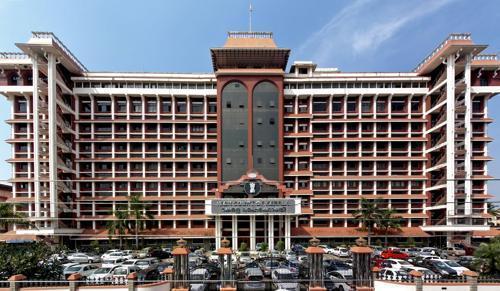
Kerala High Court: Matrimonial Case Shouldn’t be Transferred at Advanced Trial Stage
The Kerala High Court held that transferring a matrimonial case when the trial has reached an advanced stage is unjustified and improper.
The Court set aside an order that shifted a pending matrimonial dispute from the Family Court in Kollam to the Family Court in Punalur. It noted that the proceedings had already progressed substantially and were close to completion.
The Court observed that allowing a transfer at such a late stage would disrupt the trial and cause unnecessary delay.
It emphasised that transfer petitions based merely on inconvenience should not be entertained once the case has advanced significantly.
[Binu Das B v. Smitha Raj L]
S PavithraBookmark
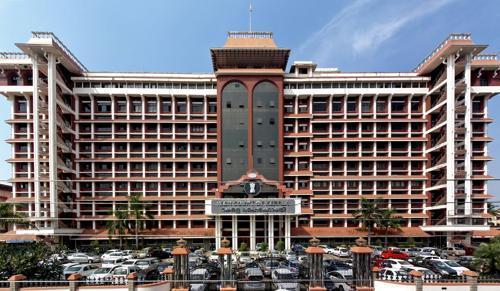
Kerala High Court Seeks Response from Centre and Digi Yatra Foundation Over Data Privacy Concerns
Kerala High Court issued notice to Digi Yatra Foundation and the Central government following a PIL raising data protection concerns regarding the 'Digi Yatra' system at airports.
The Bench considered allegations that the collection and processing of sensitive passenger data may lack adequate safeguards.
The petitioner sought interim directions to ensure strict compliance with the Digital Personal Data Protection Act, 2023. Additionally, the Court asked the Union Government to clarify if a Data Protection Board has been formally constituted under the new law.
The matter is scheduled for further hearing on March 19, 2026.
[C R Neelakandan v. UOI & Ors.]
AnvishaaBookmark
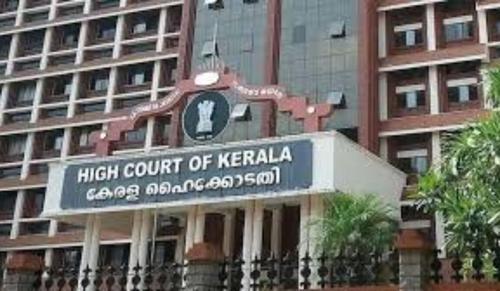
Kerala High Court Examines Plea Against CMO’s Bulk Messaging Using Citizens’ Data
The Kerala High Court is hearing a petition challenging the use of citizens’ personal data by the Chief Minister’s Office for sending bulk messages about government schemes.
Petitioners argued that the State has no free hand to repurpose data collected for government services, contending that such use violates the right to privacy.
The State defended the initiative as “transformative communication” aimed at informing people about welfare programmes.
However, the Court raised concerns over data protection and whether explicit consent had been obtained, observing that data held by the State cannot be used for political or unauthorised messaging.
S PavithraBookmark
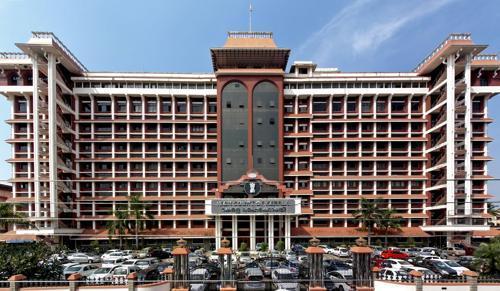
Kerala High Court: Men Too Have Dignity, Allows Father’s Name Change on Birth Certificate
The Kerala High Court exercised extraordinary jurisdiction under Article 226 of the Constitution to allow the replacement of a former husband’s name with that of the biological father on a minor girl's birth certificate.
The Court observed that correction was necessary to ensure justice for the child and avoid future embarrassment.
While the Court criticized the biological parents for providing untrue grounds regarding school requirements, it praised the gentlemanly attitude of the mother's former husband, who consented to the change.
The Court directed the masking of the identities of petitioners to protect their privacy and social identity, upholding the principle of parens patriae.
AnvishaaBookmark